


In the world of real estate, where people ask questions at all hours and the market moves quickly, tools like chatbots help agents keep up.
These AI-powered helpers make it easier to talk with clients and handle daily tasks. This post looks at chatbots for real estate agents in detail, sharing facts and tips to help you see their value. If you work in real estate, knowing about these tools can make your job smoother.
What Are Chatbots and How Do They Function in the Real Estate Industry?
Chatbots are computer programs that chat with people like a human would, using text or voice. In real estate, they connect to websites, apps like Messenger or WhatsApp, or even text messages to answer questions from buyers and sellers.
Simple chatbots stick to set scripts, but smarter ones learn from talks and give answers that fit the situation. For example, if someone asks about homes for sale, the chatbot checks listings from services like the Multiple Listing Service (MLS) and shares details right away.
- They work by reading what the user types or says.
- Then, they pull info from databases or online sources.
- Finally, they reply in a clear way, sometimes asking more questions to help better.
The National Association of Realtors (NAR) supports using AI like chatbots, as long as they follow rules to protect people and keep data safe. This makes chatbots a trusted part of the industry.
Why Should Real Estate Agents Consider Implementing Chatbots?
Real estate agents deal with a lot of questions every day, and chatbots can take care of many of them. They run all day and night, so no one waits for an answer. This keeps potential clients happy and helps agents focus on bigger jobs, like showing homes or closing deals.
Agents save time and money with chatbots. Studies show they can handle most basic questions, cutting down on repeat work. For instance, NAR’s 2025 Technology Survey found that 68% of agents now use AI tools, including chatbots, to make their work better.
Here are some main reasons to think about them:
- Always available: Answer queries even at midnight.
- Save costs: Less need for extra staff to handle calls.
- Boost satisfaction: Quick replies make clients feel valued.
Reports also say chatbots can raise sales by up to 40% by sorting leads fast and sending personal messages.
Also Read: Benefits of AI in Real Estate
How Can Chatbots Enhance Lead Generation for Real Estate Agents?
Finding new clients is key in real estate, and chatbots make it simpler. They start talks on your site or social pages, asking things like “What kind of home do you want?” or “How much can you spend?” This sorts out serious buyers from casual browsers.
Chatbots link up with tools like customer relationship management (CRM) systems to track these talks.
They score leads based on how interested someone seems, so agents follow up on the best ones first.
- Qualify leads quickly: Ask key questions to see if they’re ready to buy.
- Send follow-ups: Email or text property suggestions automatically.
- Gather data: Learn what clients like to improve marketing.
In 2025, tools show chatbots can turn more visitors into clients by 40%, thanks to real-time chats that feel personal. NAR surveys note higher response speeds, often in seconds, which beats old ways like email.
What Are the Key Use Cases of Chatbots in Real Estate Operations?
Chatbots fit into many parts of real estate work. One big use is helping with property searches. A user might say, “Show me three-bedroom houses in Chicago under $400,000,” and the bot lists options with photos and facts.
They also set up meetings, like virtual tours or open houses, by checking calendars and booking times. For questions, chatbots answer common ones fast, such as “What are the steps to buy a home?” or “How much are taxes here?”
Other ways they help include:
- Personal tips: Suggest areas based on what the user shares.
- After-sale support: Check in on clients to build long-term ties.
- Tour guides: Share video links or 360 views for remote looks.
These uses make daily operations easier, letting agents spend time on what matters most.
Are There Industry Standards or Best Practices for Deploying Chatbots in Real Estate?
No single set of rules just for chatbots exists, but groups like NAR offer advice on AI in real estate. They stress being open, so tell users if they’re talking to a bot. Also, follow laws on data, like those for privacy in the US.
The Real Estate Standards Organization (RESO) helps with data rules, making sure chatbots share info correctly from MLS. Best tips include mixing bots with human help for tough questions and testing them often to fix errors.
- Aim for high accuracy: Target 90% right answers or more.
- Keep data safe: Use secure ways to store user info.
- Update regularly: Adjust for new market changes.
NAR’s code of ethics calls for fair use, avoiding bias in how bots respond.
What Challenges Do Real Estate Agents Face When Adopting Chatbots?
Chatbots bring good things, but setting them up isn’t always easy. It takes time to connect them to your systems, and if done wrong, they might confuse users with bad answers.
Money is another issue; basic ones are cheap, but full-featured AI costs more, especially for small agents. Privacy worries matter too, since chatbots collect personal details and must follow rules like the Fair Housing Act to stay fair.
Common problems include:
- Tech setup: Linking to MLS or CRM can be tricky.
- User trust: Some people prefer talking to a real person.
- Keeping current: Bots need updates for new laws or trends.
Ethical sides, like avoiding bias in suggestions, add to the work. Still, with planning, these can be managed.
Also Read: AI Tools for Real Estate Agents You Need in 2026
How Is the Future of Chatbots Evolving in the Real Estate Sector?
Chatbots will get even better soon, mixing text with voice and pictures for fuller talks. Think of them using augmented reality to show home changes or predict market shifts with data.
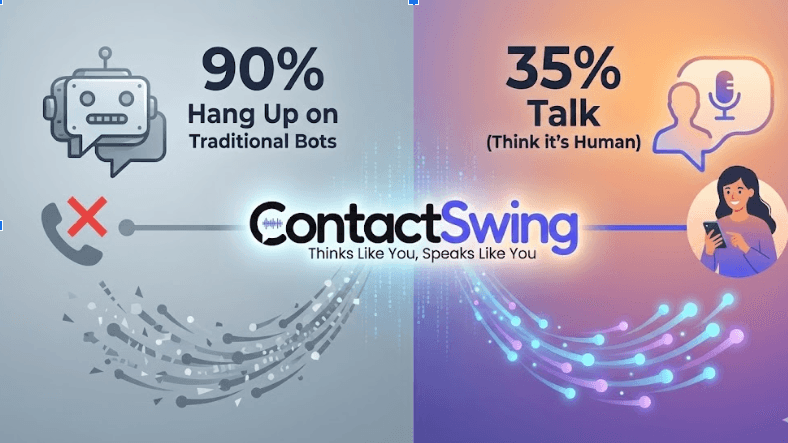
NAR expects more agents to use AI, with chatbots key for custom marketing. Voice options, like those from platforms such as ContactSwing.ai, handle calls and texts, making chats more natural.
Trends point to:
- Smarter predictions: Guess what buyers want next.
- Global reach: Talk in many languages easily.
- Better links: Work with other tech for full service.
As real estate changes, chatbots will help agents stay ahead and serve clients well.
Summary
Chatbots for real estate agents offer real help in a busy field. They handle routine work, find leads, and keep things running smooth.
With careful use, following standards like those from NAR, they can make your business stronger. Think about what fits your needs and start small to see the difference.
FAQs
How much does it cost to add a chatbot to my real estate website?
Prices range widely depending on what you need. Basic chatbots that answer common questions and collect contact info can be free or cost just $20–$100 per month. More advanced ones that connect to your MLS, send automatic emails, and qualify leads usually run between $200 and $800 a month. Custom-built chatbots with voice features or deep integration can cost $5,000–$20,000 upfront plus a monthly fee. Many agents start with an affordable plan and upgrade once they see results.
Will an AI chatbot ever replace a real estate agent?
No AI Chatbot cannot replace a real estate agent. Chatbots are great at answering questions quickly, showing listings, and booking appointments, but they cannot negotiate contracts, read body language during a showing, solve complicated title issues, or build the personal trust that closes deals. Most buyers and sellers still want a human agent for the big decisions. A good chatbot simply lets the agent spend more time on those high-value moments.
How do I make sure my chatbot follows privacy and fair housing laws?
Choose a platform that is compliant with laws like CCPA (California) and GDPR (Europe). Make sure it encrypts data and lets users opt out of having their information stored. Add a short notice that says “This is an automated assistant” and include a privacy policy link. Train the bot with neutral language and test it regularly to avoid any accidental bias in property recommendations. When in doubt, consult your broker or a compliance officer.
Are chatbots worth it for solo agents or small teams?
Yes, especially for solo agents and small teams. They act like a 24/7 assistant without the salary. Many solo agents report getting 10–30 extra leads per month because the bot answers questions at night and on weekends when they used to miss them. The time saved on repetitive questions often pays for the chatbot many times over.
What happens if the chatbot gives wrong information about a listing or price?
Most modern chatbots pull live data directly from your MLS feed, so the information stays accurate. Still, always set up a fallback option: if the bot isn’t 100% sure, it should say, “Let me have an agent confirm that for you” and collect the person’s contact details. Review the conversation logs weekly at first, fix any mistakes, and retrain the bot so the same error doesn’t happen again.
Can a chatbot work on my phone and handle incoming calls or texts?
Yes. Newer platforms now offer voice and SMS chatbots. This means someone can call or text your business number, and the bot will reply with spoken answers or text messages. It can answer basic questions, send property links, and book appointments even when you’re in a showing or driving. Many agents use this feature as their “after-hours receptionist.”